
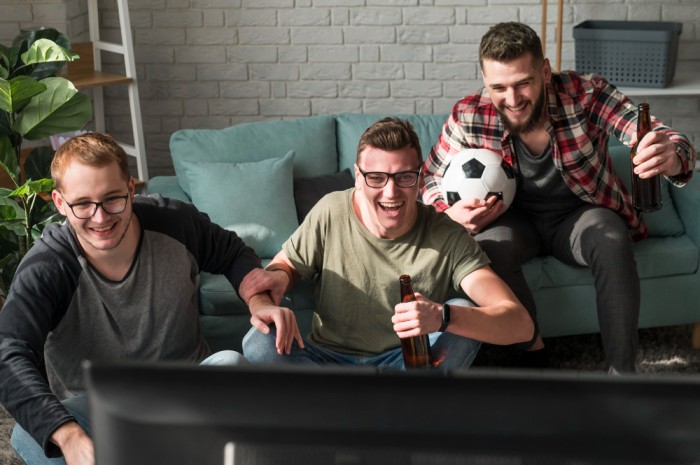
As football enthusiasts gear up for major tournaments, many find themselves sacrificing sleep to catch late-night matches. While it might seem harmless to stay up for a few exciting games, the cumulative effect of sleep deprivation over several weeks can have unforeseen consequences on one’s health. Sleep is essential for recharging energy, aiding brain functions, and facilitating bodily recovery. Adults typically require about seven to nine hours of restful sleep each night. When sleep is consistently cut short, it can lead to fatigue, impaired concentration, mood alterations, and diminished daily performance.
Experts caution that the repercussions of inadequate sleep extend beyond just feeling tired. Prolonged sleep deprivation might elevate stress, increase blood pressure, weaken the immune system, and even lead to long-term health issues such as weight gain, metabolic disturbances, and cardiovascular problems. Watching late-night matches can also foster habits that exacerbate sleep disruptions. For instance, many fans depend on caffeine to stay alert or indulge in heavy snacks during games, which can upset the body’s natural sleep rhythm and make it challenging to fall asleep post-match.
Despite these challenges, football fans can still enjoy the sport without compromising their health. By moderating caffeine intake, staying well-hydrated, taking brief naps when possible, and ensuring they catch up on sleep during non-match days, fans can mitigate the adverse effects of disrupted sleep patterns. These simple adjustments allow for a healthier balance between enjoying the excitement of the games and maintaining overall well-being.
It’s clear that while major sporting events offer thrilling entertainment, it’s crucial for fans to maintain a balance between their passion for the game and their health. By making a few mindful changes to their routines, fans can savor the football season without allowing sleep loss to take a toll on their health. Ultimately, prioritizing both excitement and rest ensures a more sustainable enjoyment of the sport.