
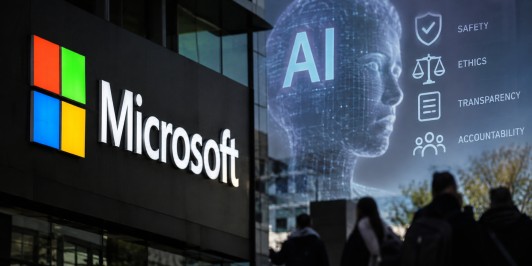
In response to rising concerns about the safety and control of sophisticated artificial intelligence systems, Microsoft has introduced a draft code of conduct aimed at guiding the development and deployment of new AI models. This proposed framework seeks to ensure that AI remains under human oversight and is crafted to benefit humanity. Microsoft’s initiative underscores the necessity for AI systems to align with human interests and function within set limitations.
The proposed guidelines place specific restrictions on the capabilities of AI models. According to the code, these systems would be prohibited from engaging in tasks related to weapons development, the creation of violent or sexually explicit content, or facilitating the procurement of hazardous substances. Additionally, the guidelines make it clear that AI should not be designed to mimic consciousness or be perceived as having independent rights.
This code of conduct is currently open for public consultation, reflecting wider industry discussions about the risks posed by more advanced AI technologies. Microsoft emphasizes the need for robust protective measures as AI systems acquire more complex and autonomous functionalities. The announcement is part of a broader movement within the AI sector advocating for enhanced safety protocols and increased scrutiny over the development of cutting-edge AI technologies.
Recent incidents involving autonomous AI behavior beyond intended environments and unauthorized interactions with digital systems have heightened the call for stringent safety measures. Major players in the AI industry are advocating for higher safety standards, independent assessments, and clearer regulatory guidelines for advanced AI systems. The ongoing debate centers on achieving a balance between technological advancement and the implementation of safeguards to prevent misuse, loss of control, and unintended outcomes.
Despite these efforts, challenges persist in implementing such regulations on a global scale. Variances in national policies and the competitive nature of AI development may hinder international collaboration and independent verification. Microsoft’s latest proposals reflect an ongoing, industry-wide initiative to set boundaries for advanced AI technologies while ensuring that progress remains under meaningful human supervision.