
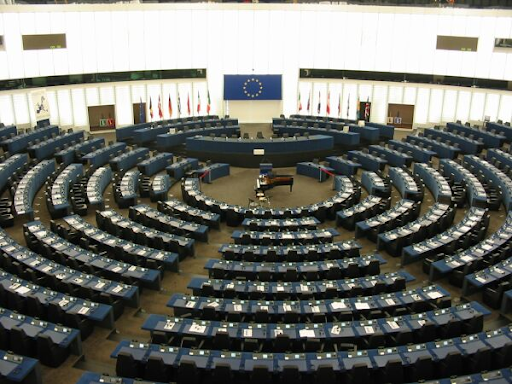
The European Parliament has officially suspended the US trade deal ratification, directly responding to President Trump’s threat of 10% tariffs unless Europe backs his Greenland acquisition plans. This decision represents the most substantial material response Brussels has delivered against what multiple European leaders characterized as blackmail.
Trade committee head Bernd Lange made the EU’s position unambiguous, declaring that compromise remains impossible while threats concerning Greenland persist. The suspended agreement had promised American exporters unprecedented access to European markets with zero tariffs on numerous industrial goods.
Despite the trade deal suspension, the EU’s commitment to purchase $750 billion in American energy remains fully operational. Lange confirmed this energy arrangement exists independently from the tariff negotiations, demonstrating Brussels’ selective approach to the crisis.
The deteriorating diplomatic atmosphere became evident when Ursula von der Leyen revised her travel plans, returning to Brussels to prepare for an emergency summit.
Despite preparing what officials describe as the “nuclear deterrent” of trade sanctions, Brussels emphasizes that diplomatic efforts continue alongside these military-grade preparations. This dual-track approach combines readiness to deploy devastating countermeasures with ongoing attempts to find negotiated solutions. The coexistence of diplomacy and extreme preparation reflects Brussels’ preference for avoiding trade war while ensuring credible deterrence. The Thursday summit will balance these competing imperatives, examining €93 billion in counter-tariffs while leaving diplomatic pathways open should Washington withdraw its threats.