
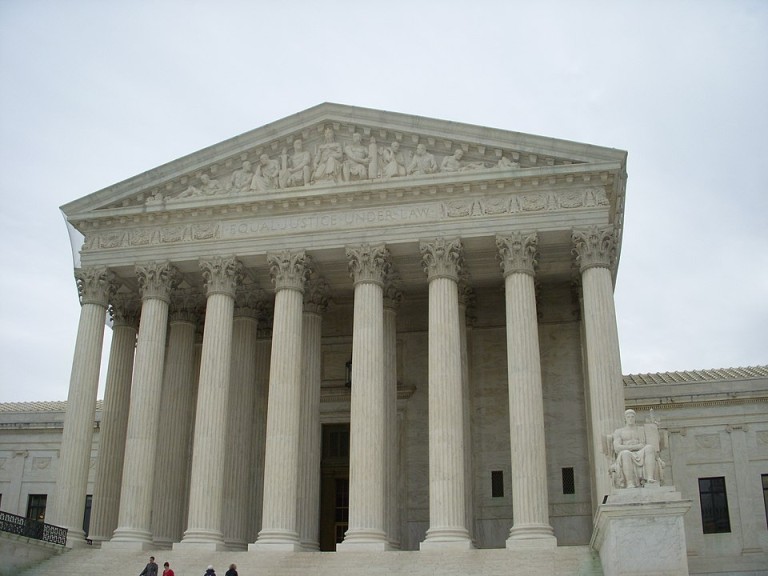
In a recent decision, the US Supreme Court upheld the Federal Communications Commission’s (FCC) authority to levy financial penalties via its internal enforcement mechanisms. This 8-1 ruling came as a blow to telecommunications giants AT&T and Verizon, who contended that the FCC’s methods infringed upon their constitutional right to a trial by jury. Chief Justice John Roberts authored the majority opinion, with Justice Clarence Thomas standing as the lone dissenter.
The dispute arose from FCC sanctions imposed on several prominent wireless service providers, including AT&T and Verizon. These companies were penalized for reportedly allowing third parties to access consumer location data without obtaining the necessary user consent. The FCC issued fines of approximately $57 million to AT&T and nearly $47 million to Verizon, while other carriers faced similar penalties for data privacy breaches.
AT&T and Verizon argued that the FCC’s in-house enforcement system effectively denied them the right to have such matters resolved by a jury. However, the Supreme Court found that the agency’s procedures do not prevent these companies from contesting the penalties in federal court at a later stage. This decision reinforces the FCC’s capability to conduct administrative proceedings in assessing penalties.
The ruling marks a triumph for the federal government, affirming the authority of regulatory agencies like the FCC to employ their administrative processes in managing and enforcing compliance. By supporting the FCC’s enforcement framework, the court has underscored the agency’s role in overseeing telecommunications practices and safeguarding consumer rights.