
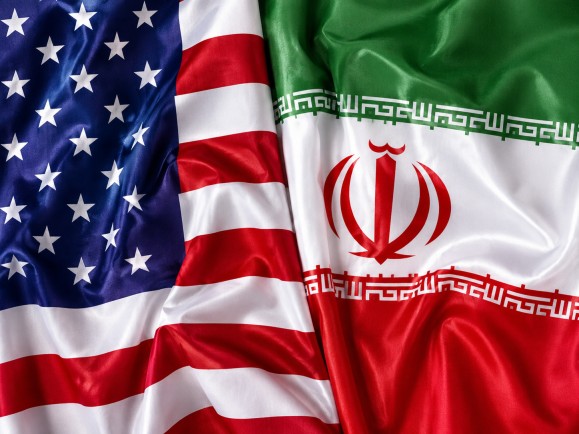
In the face of mounting criticism from Republican leaders, US President Donald Trump has stood by ongoing negotiations with Iran, aimed at resolving the conflict and reopening the strategic Strait of Hormuz. Trump emphasized that no agreement has been finalized yet, expressing his commitment to taking a cautious approach. He distinguished the current negotiations from the 2015 nuclear deal brokered by Barack Obama, which he famously exited in 2018.
Reports indicate that the proposed agreement could offer Iran sanctions relief, access to billions in frozen assets, and discussions on its nuclear program within a 60-day timeframe. In exchange, Iran would need to de-escalate regional tensions and cease actions linked to the conflict. Tehran, however, has stated that the proposal still requires approval from its top leadership and national security bodies, with clarifications needed on certain provisions before it is officially accepted.
The negotiations also touch on Iran’s stockpile of enriched uranium and the criteria for unfreezing Iranian assets held overseas. It appears the US seeks to link financial relief to advancements in nuclear discussions. Meanwhile, Israeli Prime Minister Benjamin Netanyahu has engaged with Trump to discuss the ceasefire’s implications and Israel’s security needs, while Iran has insisted the ceasefire be comprehensive, covering all fronts, including Lebanon.
Regional leaders and Gulf nations have urged Washington to steer clear of further military actions, cautioning that renewed hostilities could destabilize the Middle East and negatively impact the global economy. Despite these calls for caution, the potential agreement has drawn sharp criticism from Republican figures and former officials. They argue that the proposal could bolster Iran both financially and politically, warning that easing sanctions and permitting oil exports could enhance Iran’s influence without ensuring limitations on its nuclear aspirations.
Nevertheless, Trump and senior US officials have defended their diplomatic efforts as the most viable route to preventing Iran from acquiring nuclear weapons and maintaining stability in the Gulf. They assert that diplomacy remains the preferred strategy to achieve these critical objectives, despite the political backlash.