
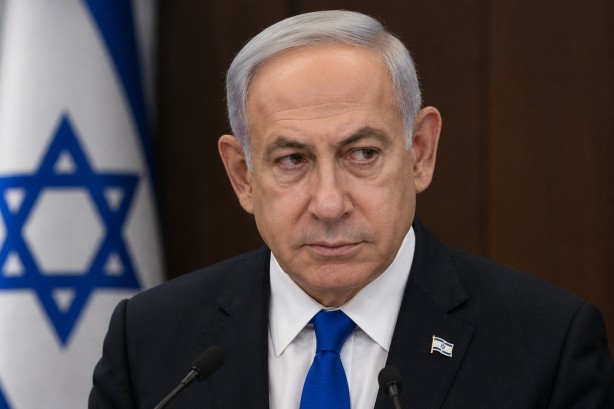
In a recent clash of international and local political rhetoric, Israeli Prime Minister Benjamin Netanyahu has criticized New York City Mayor Zohran Mamdani for allegedly “fomenting hate.” This comes after Mamdani suggested that Netanyahu should be arrested if he sets foot in New York City, citing an International Criminal Court (ICC) arrest warrant. Despite these comments, Netanyahu has confirmed his intention to visit New York in September to attend the United Nations General Assembly, firmly dismissing the ICC’s war crimes allegations against him as “bogus” and lacking legitimacy.
Mayor Mamdani, while acknowledging that New York City lacks the legal jurisdiction to enforce the ICC’s warrant, has voiced his belief that the federal government should intervene. He has been vocal about his stance that individuals accused of war crimes should not be granted a welcome in the city. The ICC has issued warrants concerning alleged offenses during the Gaza conflict, an action that Israel consistently rebuffs by rejecting the court’s jurisdiction and denying any wrongdoing.
Netanyahu has expressed growing concern over what he perceives as increasing political rifts in the United States concerning Israel. He also pointed to a rising sense of unease among Jewish communities in New York, who he claims feel less safe amidst these tensions. The Israeli leader’s remarks highlight the complex interplay between international judicial actions and local political sentiments, as well as the broader implications for Jewish residents in the city.
The ongoing debate over accountability for actions during the Gaza conflict continues to fuel international discourse. While the ICC’s involvement has stirred global discussions on justice and war crimes, Israel’s firm rejection of the court’s authority adds another layer of complexity to the situation. This issue remains a point of contention not only internationally but also in places like New York City, where political figures are grappling with how to address such global matters locally.