
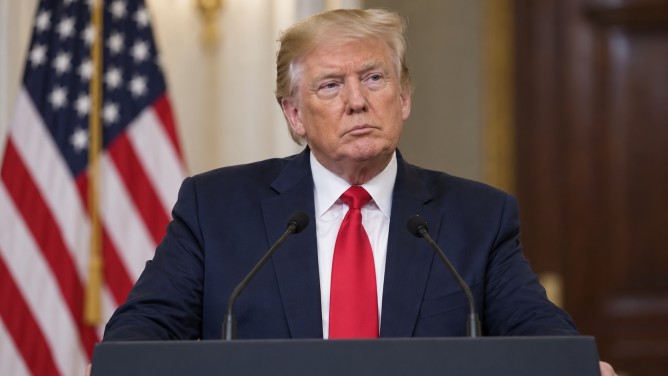
Amid growing international concerns, U.S. President Donald Trump stated that the recent death of a Russian laboratory worker does not appear to be linked to a biological weapon. This comes as the global community, including the United States, European Union, and the World Health Organization (WHO), seeks more information regarding the circumstances surrounding the woman’s death.
The 28-year-old woman, an employee at an anti-plague research institute in Russia, succumbed to pneumonia of an undetermined origin. Initial reports suggested the possibility of pneumonic plague, a severe form of pneumonia that can be transmitted between individuals but is treatable if identified early. However, Russian officials have provided limited details, fueling speculation and prompting international scrutiny.
President Trump expressed skepticism about the involvement of a bioweapon but highlighted the necessity for additional information. Russian authorities have assured that the situation is managed and there is no threat of an epidemic. They further clarified that no recent cases of plague have been reported in the region, and individuals who had contact with the woman have been cleared of any health risks.
Despite these reassurances, the WHO continues to seek further clarification from Russian authorities to understand the disease’s cause and prevent potential public health risks. The organization has yet to determine the exact cause of the woman’s illness and subsequent death.
The incident underscores the importance of transparency and communication in managing potential health threats, especially those with international implications. As investigations continue, global health organizations remain vigilant to ensure there is no broader threat to public health.