
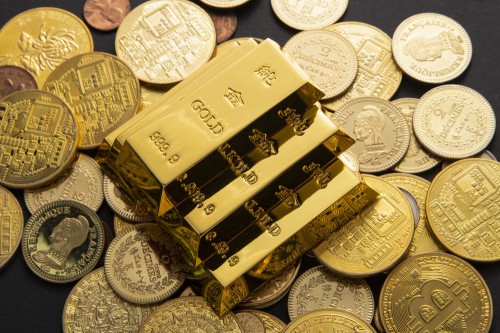
Gold prices experienced a decline over the past week as the markets remained on edge due to the ongoing uncertainty surrounding the negotiations between the United States and Iran. These talks aim to resolve the broader conflict in the Middle East. The precious metal traded near $4,450 per ounce, poised for a weekly drop of approximately 2%. Investor sentiment was influenced by fluctuating signals from both parties involved in the discussions. While US officials indicated that the peace negotiations were nearing their conclusion, Iranian representatives countered by stating that significant progress had yet to be made, leaving the market uncertain about the potential outcome.
The conflict, which has now persisted for four months, has led to disruptions in crucial energy routes through the Strait of Hormuz. This situation has caused a surge in oil prices and has reignited concerns about global inflation. These inflationary pressures have strengthened expectations that central banks might either maintain or further tighten interest rates, thereby diminishing the appeal of gold, a non-yielding asset. As a result, gold has struggled to sustain its momentum, trading within a confined range following steep declines witnessed earlier in the conflict. The metal’s value remains well below pre-conflict levels, signaling a drop in demand for traditional safe-haven assets despite the ongoing geopolitical tensions.
In addition to gold, other precious metals also saw a decline, reflecting the broader market sentiment. Interestingly, currency markets have remained relatively stable, suggesting a mixed posture among investors amid the global uncertainties. Analysts point out that gold’s future trajectory will likely hinge on the direction of geopolitical tensions. An escalation could drive prices higher, while diplomatic progress might stabilize energy markets and inflation expectations, potentially influencing gold’s attractiveness.
As the situation continues to evolve, market participants are closely monitoring developments in the US-Iran dialogue. The outcome of these negotiations could have significant implications not only for regional stability but also for global economic trends, particularly in terms of energy prices and inflation. Investors are weighing these factors as they navigate the complex landscape shaped by geopolitical events, inflationary pressures, and central bank policies.