
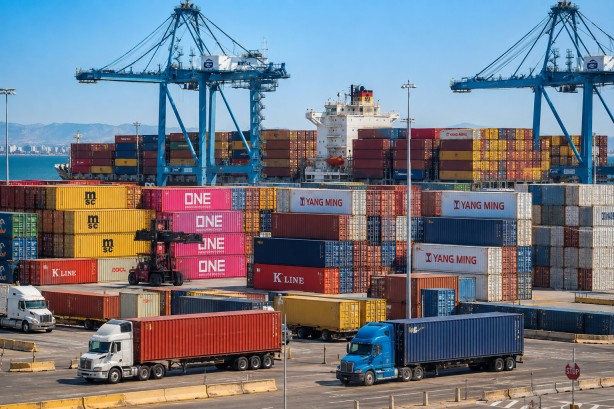
The United States government has issued refunds amounting to approximately $100 billion for tariffs that were collected as part of former President Donald Trump’s “Liberation Day” trade measures. This decision follows a Supreme Court ruling that deemed a substantial portion of these tariffs unlawful. The refunded amount represents about 60% of the $165 billion in tariffs that were collected prior to the court’s verdict. These tariffs were a keystone of Trump’s trade strategy, which was designed with the intention of revitalizing domestic manufacturing, negotiating more favorable trade deals, and bolstering government revenue.
In light of the Supreme Court’s decision, the government has begun the process of returning the collected duties to the businesses affected by the tariffs. However, even with these repayments, the federal budget deficit continues to grow, having reached $1.37 trillion in the first nine months of the current fiscal year. This fiscal shortfall underscores the ongoing financial challenges facing the government despite the rollback of the tariffs.
Recently, the Trump administration introduced a new series of tariffs, ranging from 10% to 12.5%, on imports from over 80 countries. This list includes major trade partners such as India, China, the United Kingdom, Canada, Mexico, Australia, and the European Union. The administration has justified these measures by expressing concerns over products that are allegedly linked to forced labor, highlighting a continued focus on addressing human rights issues in global trade.
The newly imposed tariffs have already sparked fresh legal challenges. A coalition of 25 US states has initiated efforts to block these new measures, arguing that they unlawfully replace the tariffs that were invalidated by the Supreme Court. This legal pushback indicates ongoing tension and debate over the legitimacy and impact of the Trump administration’s trade policies.