
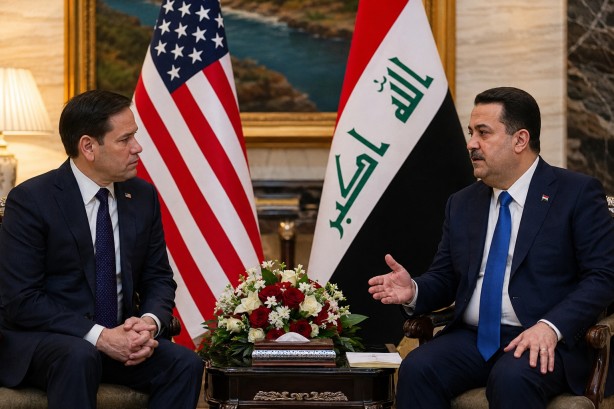
Iraqi Prime Minister Ali Al Zaidi recently wrapped up a significant visit to Washington, where he secured various economic agreements aiming to bolster Iraq’s ties with the United States. This visit underscores Iraq’s ongoing efforts to draw foreign investment and enhance security collaboration, positioning Al Zaidi as a leader focused on reform and modernization.
Despite the warm reception from officials in Washington, analysts express caution about the challenges Iraq faces in implementing crucial commitments. These include much-needed security reforms and an overhaul of the economy, which are complicated by the country’s internal political landscape and the considerable influence of Iran-backed factions. Experts highlight the delicate balancing act Baghdad must perform in maintaining its relationships with both the United States and Iran amid ongoing regional tensions.
The discussions in Washington have opened new avenues for cooperation, yet the sustainability of these opportunities will hinge on Iraq’s capacity to enact reforms successfully and nurture stable relations with its major international partners. The visit marks a step forward, but it also places the onus on Iraq to deliver tangible outcomes in a complex geopolitical environment.
Prime Minister Al Zaidi’s visit aimed not only to strengthen economic ties but also to deepen security cooperation, reflecting Iraq’s strategic goals. However, achieving these objectives demands navigating Iraq’s intricate political dynamics and managing the pervasive influence of external actors, particularly Tehran.
In conclusion, while the visit to Washington has set the stage for potential collaboration, the real test lies in Iraq’s ability to follow through on its commitments and maintain equilibrium in its foreign relations. Success in these areas will be crucial for Iraq’s future stability and prosperity, as well as for its standing on the international stage.