
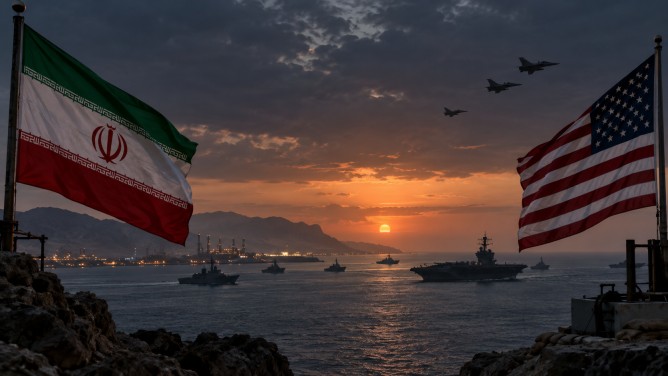
The Middle East is witnessing a surge in tensions as geopolitical conflicts escalate, with potential implications for regional stability and global energy markets. The United States and Iran have exchanged fresh threats amidst this volatile climate, each signaling their readiness to respond to provocations.
In recent developments, U.S. President Donald Trump has urged Iran to engage in negotiations, warning of severe consequences should Tehran refrain from seeking a diplomatic resolution. Despite these tensions, Trump has expressed willingness to meet with Iranian President Masoud Pezeshkian during the United Nations General Assembly in New York, suggesting a possible opening for dialogue amid the standoff.
Iranian military leaders have responded by cautioning that any new attack by the U.S. would lead to retaliation targeting American bases and interests throughout the region. They have also indicated that countries supporting any U.S. offensive could be seen as participants in the conflict, further complicating the geopolitical landscape. Tehran has emphasized that conditions around the Strait of Hormuz remain linked to ongoing negotiations and conflicts.
Meanwhile, the conflict is spilling over into neighboring regions, notably with Yemen’s Houthi movement escalating its attacks on Saudi Arabia. The Houthis have claimed responsibility for missile and drone strikes targeting Riyadh and an oil facility in Yanbu. Saudi defenses reportedly intercepted a missile aimed at Riyadh, and other attacks were thwarted, illustrating the growing regional unrest.
This escalation is exacerbating concerns over the security of energy supplies, as Houthi activities near Yemen’s Red Sea coast and the Bab el-Mandeb Strait increase risks for commercial shipping. The situation around the Strait of Hormuz also pressures global energy markets, with disruptions affecting oil shipments and contributing to elevated energy prices. However, a slight easing in oil prices was observed on September 21, as markets considered the potential for renewed diplomacy and partial recovery in Saudi exports.