
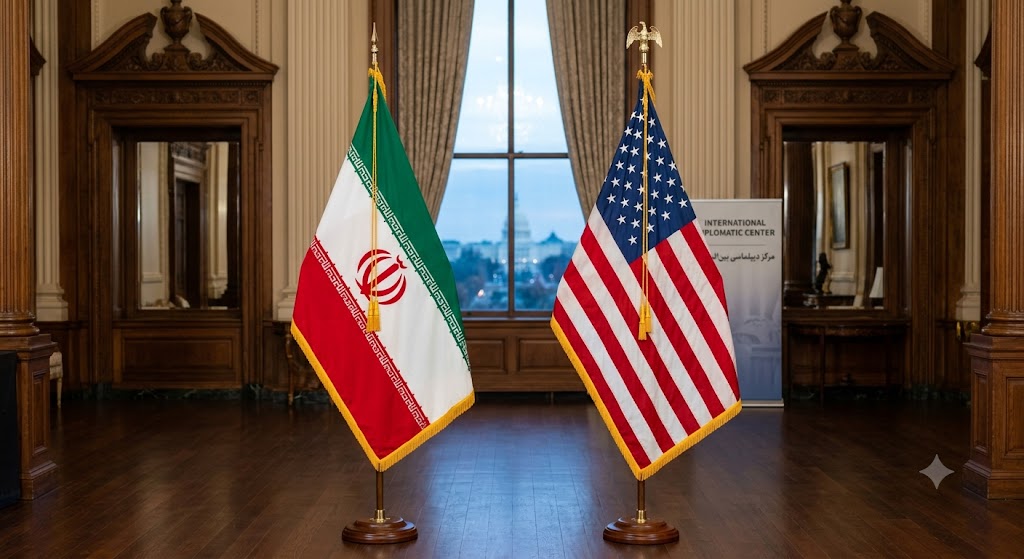
In recent discussions focused on a potential agreement between Iran and the United States, a high-ranking Iranian figure has expressed strong criticism of Western nations and cautioned regional countries about relying on US support. Ali Akbar Velayati, who serves as an advisor to Iran’s Supreme Leader, emphasized that the stability of Gulf nations is intricately linked to Iran’s significant role in overseeing the Strait of Hormuz. He further accused Western countries of fostering instability within the region.
The comments from Velayati emerged following talks between US representatives and their Gulf partners, where the importance of maintaining free shipping access through the Strait of Hormuz was underscored. The United States has issued warnings, indicating that any efforts to obstruct or limit maritime movement through this vital passage could lead to severe confrontations. The Strait of Hormuz is a crucial artery for global energy supplies, as a substantial portion of the world’s oil and gas shipments navigate this route.
Iran, asserting its crucial position as a coastal nation, has consistently maintained that it plays a pivotal role in managing the shipping activities through the strait. The Iranian stance challenges demands for unimpeded passage, emphasizing that such expectations should not disregard Iran’s strategic interests and regional influence.
Recent reports of disputes involving foreign vessels near the strait have further escalated tensions in the area. These incidents underscore the ongoing complexities linked to the management of this strategic waterway, where geopolitical interests are closely intertwined with global energy supply chains.
Despite these political frictions, oil markets have reacted with a decline in prices. This trend reflects market sentiments that any potential disruptions to supply stemming from these tensions might be contained, thereby limiting broader impacts on global energy supplies.