
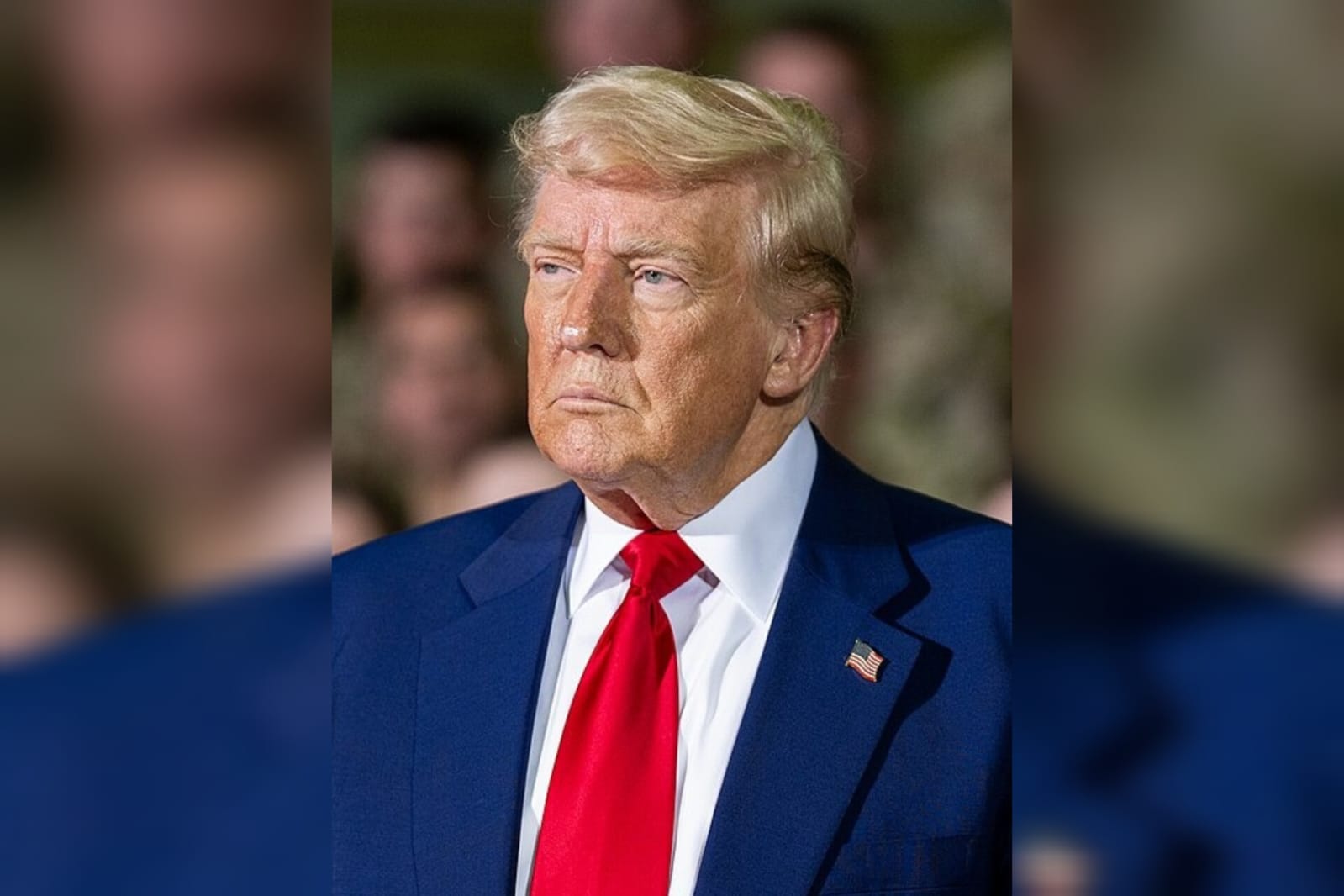
In a significant diplomatic development, U.S. President Donald Trump has forged a 14-point agreement with Iran, which he heralded as a pivotal move to avert a looming global economic crisis and to reopen the crucial Strait of Hormuz. This narrow waterway is essential for global oil transport. Iranian President Masoud Pezeshkian endorsed the agreement, which sets the stage for a 60-day negotiation period aimed at establishing a more comprehensive and enduring resolution.
The terms of the agreement entail Iran reopening the Strait of Hormuz and entering discussions about its nuclear program. In exchange, the U.S. will ease certain sanctions, permit Iranian oil exports, release billions of dollars in Iranian assets, and encourage broader economic initiatives to aid in Iran’s economic recovery. An integral component of the deal is the dialogue regarding the reduction of Iran’s stockpile of highly enriched uranium under international oversight.
Trump emphasized that diplomacy was the only viable path to avoid a broader conflict that might have led to devastating global economic repercussions. He underscored the importance of stabilizing energy markets and decreasing threats to international shipping through the reopening of the Strait. While acknowledging the potential for Gulf nations to invest in rebuilding Iran, Trump made it clear that the United States would not provide financial support directly.
The agreement has elicited a spectrum of responses. Proponents argue that it reduces regional tensions, reinstates global energy security, and opens the door for extensive talks on Iran’s nuclear program. Conversely, critics contend that the agreement affords Iran substantial economic relief without extracting more stringent commitments regarding its ballistic missile program or its regional influence, thus potentially granting Tehran considerable financial and strategic leverage.
Moreover, the agreement encompasses promises to diminish regional hostilities. Iran has committed to refraining from pursuing nuclear weapons and to moderating the actions of its regional allies. Further negotiations are anticipated to address outstanding issues, such as missile development and broader Middle Eastern security concerns. Although both nations have lauded the agreement as a landmark achievement, its enduring success will hinge on the results of the forthcoming discussions.